- 🇯🇵 Welcome to Ibaraki: Japan’s Captivating Jewel in the Kanto Region
- 1. Estimated Travel Costs & Daily Budget Breakdown for Ibaraki
- 2. Top 5 Iconic Attractions in Ibaraki
- 3. Must-Try Local Gastronomy: Haute Cuisine & B-Class Street Food
- 4. Seasonal Calendar & Famous Annual Festivals in Ibaraki
- 5. The Perfect 3-Day Model Itinerary for Tourists
- 6. Frequently Asked Questions (FAQs) for Foreign Travelers
🇯🇵 Welcome to Ibaraki: Japan’s Captivating Jewel in the Kanto Region
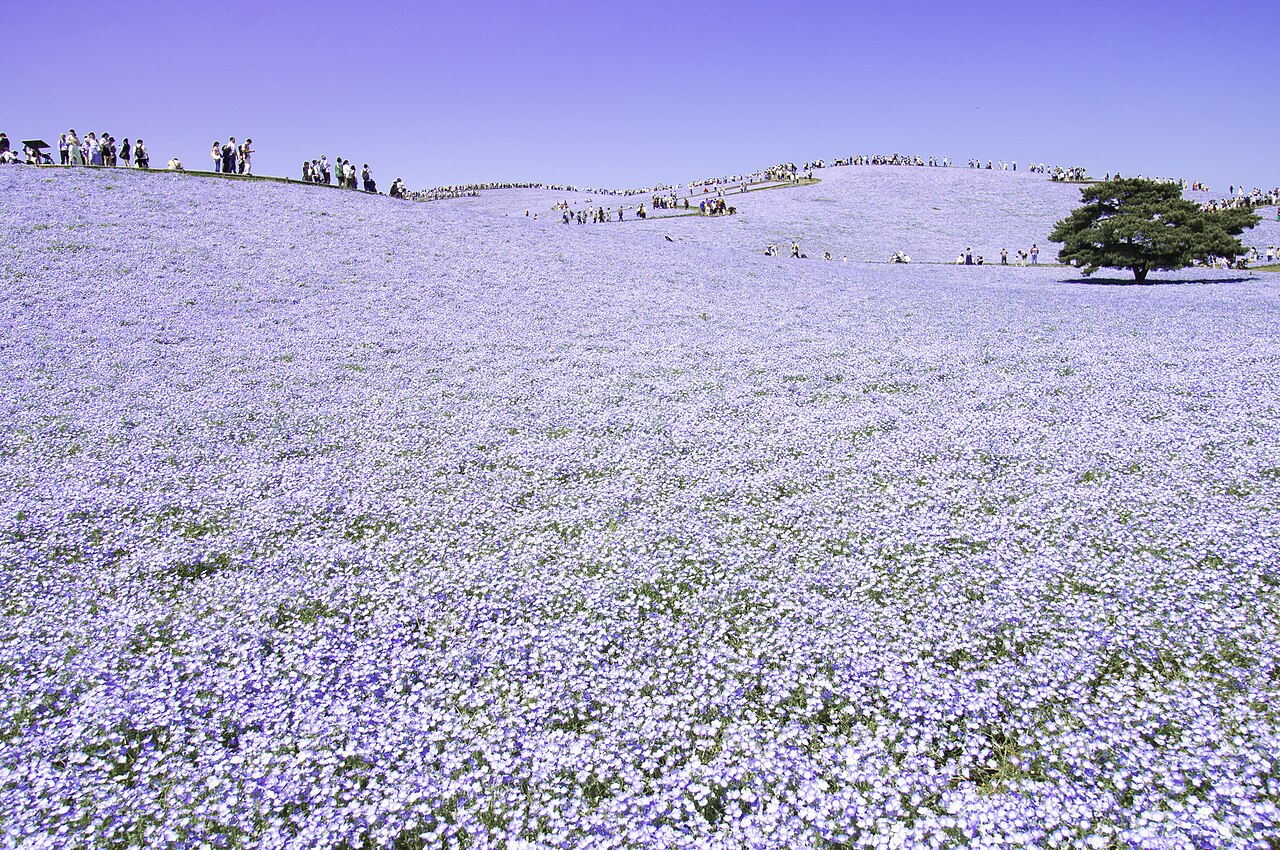
Step away from the crowded corridors of major tourist centers and immerse yourself in the timeless beauty of Ibaraki Prefecture. Known for its world-renowned attractions like Hitachi Seaside Park Nemophila, Kairakuen Garden Plum, Ushiku Daibutsu Giant Buddha, Ibaraki delivers an authentic journey filled with rich traditions, pristine nature, and extraordinary cuisine.
✈️ Planning Your Trip to Ibaraki? Secure the Best Rates Below:
1. Estimated Travel Costs & Daily Budget Breakdown for Ibaraki
| Category | Budget Traveler | Mid-Range Comfort | Luxury Ryokan Experience |
|---|---|---|---|
| Accommodation / Night | – (Hostel / Capsule) | – (3-Star Hotel) | – + (Onsen Ryokan with Kaiseki) |
| Daily Meals & Drinks | – (Local Noodles) | – (Izakaya Sets) | – + (Wagyu & Seafood Feast) |
| Transportation / Day | – (Local Trains) | – (JR Pass / Express) | – (Rental Car / Private Taxi) |
| Total Daily Budget | – / Person | – / Person | – ,250+ / Person |
2. Top 5 Iconic Attractions in Ibaraki
1. Hitachi Seaside Park Nemophila
One of the most photogenic and culturally significant locations in Ibaraki. Best visited during early mornings to avoid peak crowds and capture stunning travel photography.
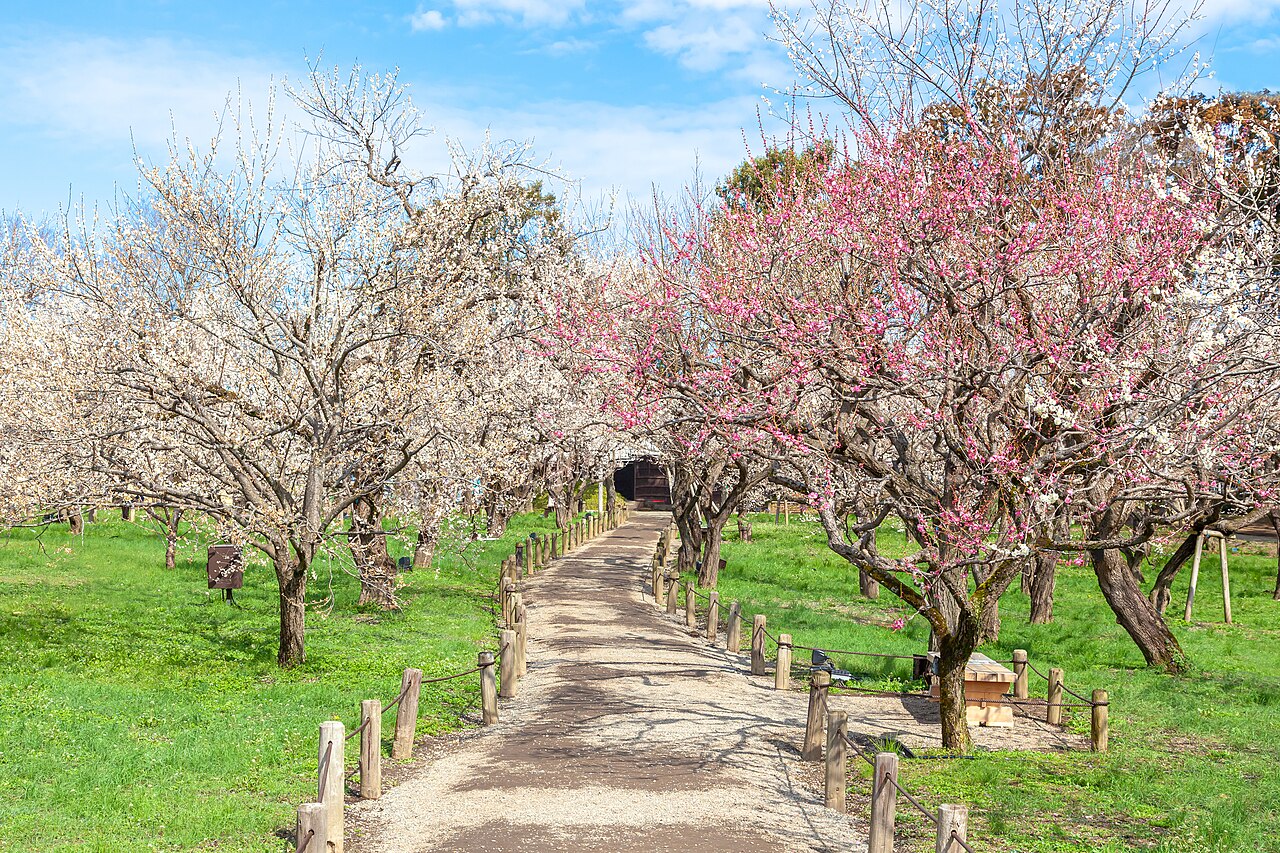
2. Kairakuen Garden Plum
One of the most photogenic and culturally significant locations in Ibaraki. Best visited during early mornings to avoid peak crowds and capture stunning travel photography.
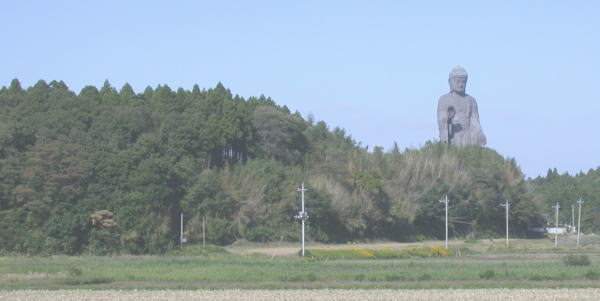
3. Ushiku Daibutsu Giant Buddha
One of the most photogenic and culturally significant locations in Ibaraki. Best visited during early mornings to avoid peak crowds and capture stunning travel photography.
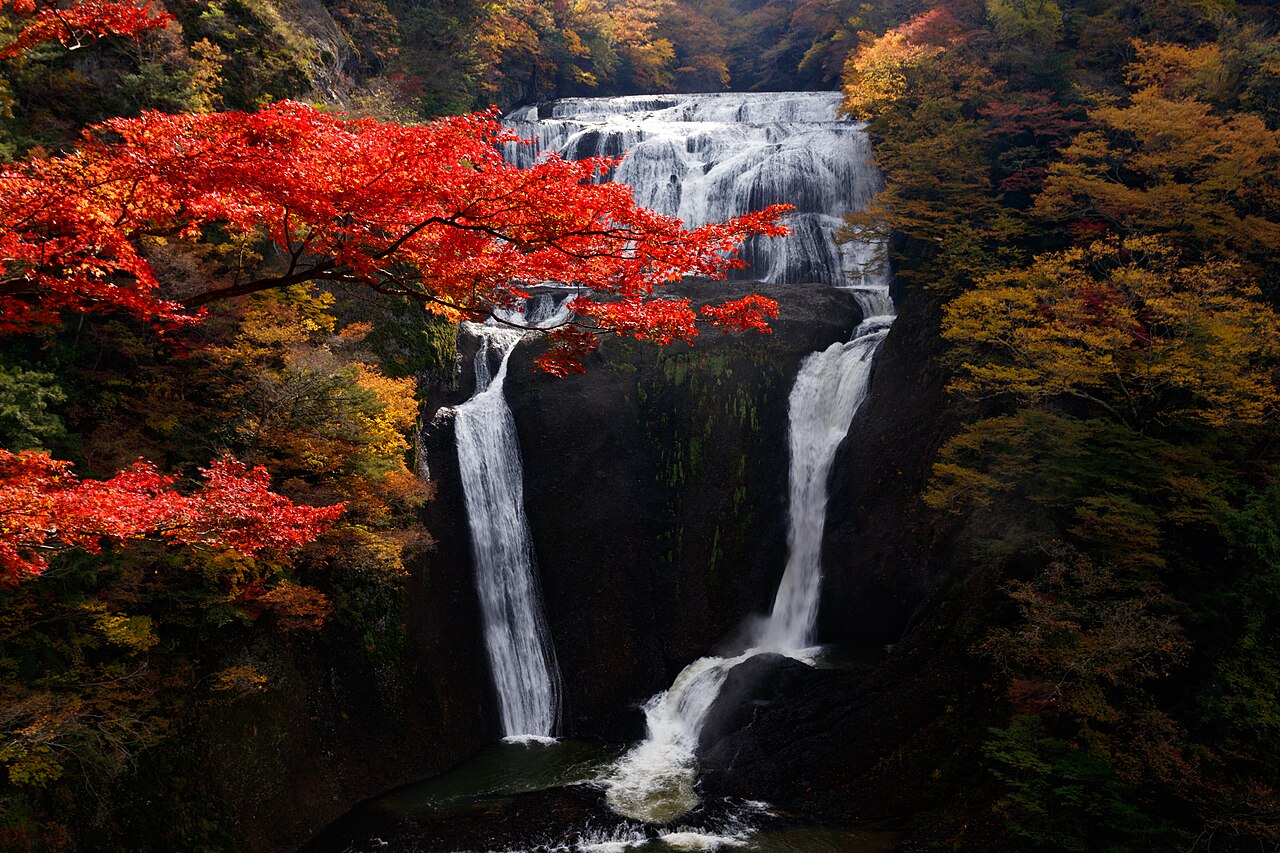
4. Fukuroda Falls
One of the most photogenic and culturally significant locations in Ibaraki. Best visited during early mornings to avoid peak crowds and capture stunning travel photography.
3. Must-Try Local Gastronomy: Haute Cuisine & B-Class Street Food
👑 Signature Haute Cuisine: Hitachi Wagyu & Anko Hot Pot
Prepared using fresh regional ingredients cultivated in the pristine waters and mountains of Ibaraki.
🍜 Beloved B-Class Street Food: Mito Natto Pork Katsu
Cherished by locals, offering comforting, unforgettable flavors found in lively night markets and retro diners across Ibaraki.
✈️ Planning Your Trip to Ibaraki? Secure the Best Rates Below:
4. Seasonal Calendar & Famous Annual Festivals in Ibaraki
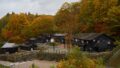
Key cultural festival highlight: Mito Plum Blossom Festival. Plan your travel dates according to peak cherry blossoms in Spring, vibrant fireworks in Summer, fiery maple foliage in Autumn, and serene snow in Winter.
5. The Perfect 3-Day Model Itinerary for Tourists
Day 1: Arrival, Heritage Sites & Welcome Feast
Arrive at Mito via Shinkansen or express train. Check into your hotel or traditional ryokan. Spend the afternoon exploring central cultural landmarks. Enjoy an evening izakaya crawl tasting Mito Natto Pork Katsu.
Day 2: Nature Sightseeing & Onsen Ryokan
Take an early morning excursion to Hitachi Seaside Park Nemophila. Savor an exquisite lunch of Hitachi Wagyu & Anko Hot Pot. Spend the evening soaking in a restorative mineral hot spring bath.
Day 3: Local Craft Souvenirs, Markets & Departure
Browse morning markets for regional souvenirs before boarding the bullet train to your next Japan destination.
6. Frequently Asked Questions (FAQs) for Foreign Travelers
Q: How do I reach Ibaraki from Tokyo or Osaka?
A: You can reach Ibaraki easily via the JR Shinkansen bullet train network or JR Express lines covered by regional JR Passes.
Q: Are tattoos allowed in onsens (hot springs) here?
A: While some traditional communal baths request coverage, many ryokans and private onsens (kashikiri) welcome tattooed guests.
Q: Is English widely spoken in restaurants?
A: Major stations and hotels have English support. For local diners, Google Translate photo mode works perfectly!
Q: Do I need physical cash in {name}?
A: Credit cards and IC cards (Suica/ICOCA) are widely accepted, but carrying 10,000 JPY cash is recommended for small street stalls.
Q: What is the best way to get mobile internet?
A: Set up an instant e-SIM via Airalo before landing in Japan for high-speed unlimited connection without physical SIM swaps.
✈️ Planning Your Trip to Ibaraki? Secure the Best Rates Below:
コメント